Unlock My Life - England
Unlock My Life is a wellbeing programme delivered in 35+ prisons across England, helping serving prisoners understand how their brain responds to actual or imagined threats.
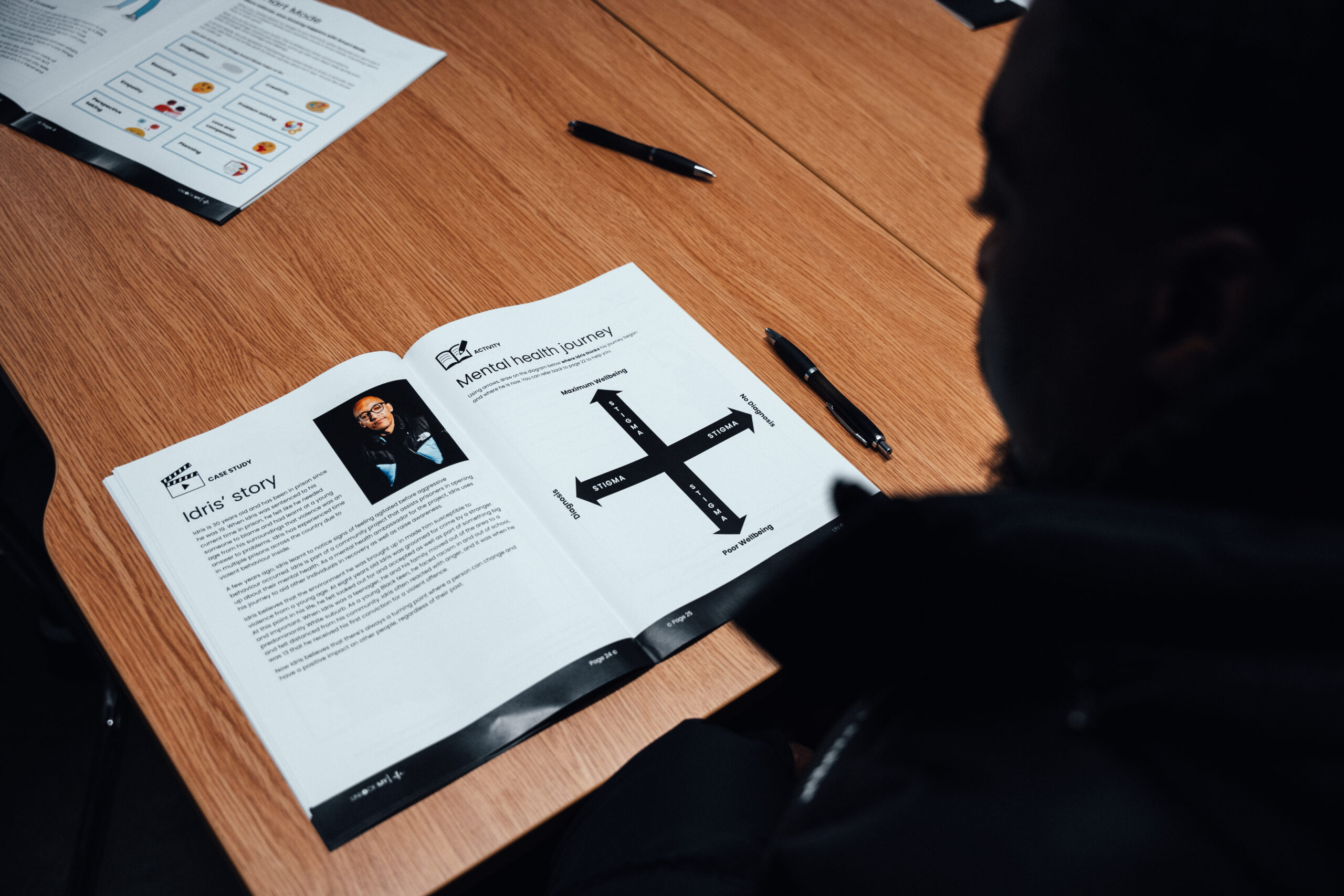
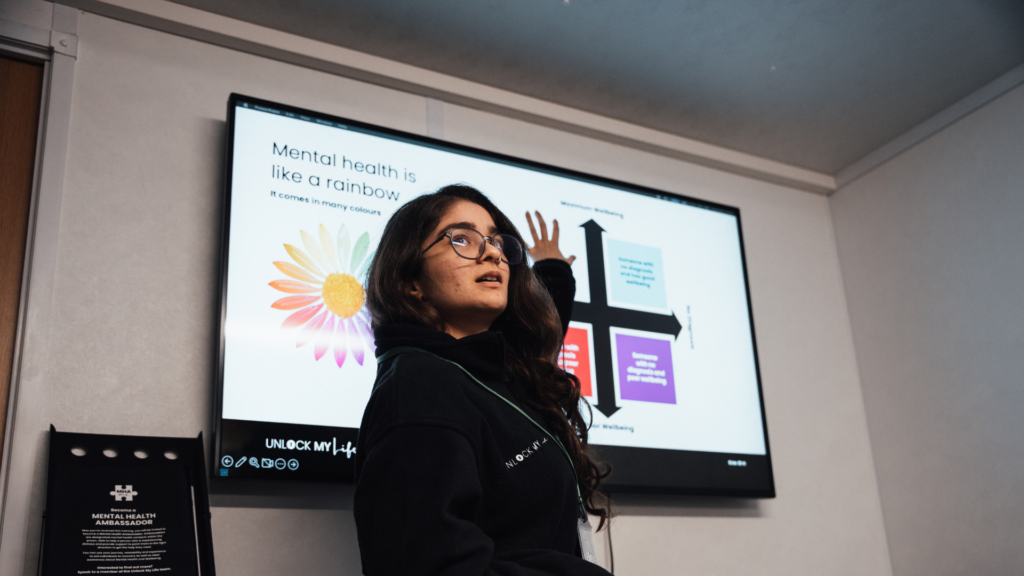
Using the Brain Smart® approach, the programme provides clear, practical knowledge about how the brain works and how people can take back control of their reactions, choices and behaviour.
The aim is not simply to deliver a course, but to build understanding that individuals can use every day, in prison and beyond.
Unlock My Life is designed to be relatable, accessible and empowering, enabling people to develop self-awareness, strengthen resilience and begin building a more positive future.
Unlock My Life helps people understand that their reactions have a reason. When individuals realise how their brain works, they gain the confidence to change how they respond and begin to see new possibilities for themselves.
Programme Facilitator
PARTNER ORGANISATIONS
Impact
- Increased emotional awareness
- Improved ability to manage stress and conflict
- Greater confidence in supporting others
- Stronger engagement with rehabilitation pathways
The programme also supports the development of peer mentors (Mental Health Ambassadors), helping participants share knowledge and encourage positive change among others.
CASE STUDY | UNLOCK MY LIFE
From instability to Ambassador: a Brain Smart journey at HMP Chelmsford
When he arrived at HMP Chelmsford, he was known for conflict. A pattern of volatile behaviour had put distance between him and staff, and between him and other prisoners. Behind it was a brain that had been in threat mode for most of his life. He did not have a language for any of this. He just knew that the world felt hostile.
Brain Smart gave him that language. Through the programme, he encountered something he had never been offered before: a clear, honest explanation of why his brain behaved the way it did. His reactions were not weakness or disorder. They were the logical output of a brain that had learned, for very good reasons, to treat the world as dangerous. That understanding changed how he saw himself.
The change staff noticed was not dramatic. It was quiet and consistent. Situations that would previously have escalated were being handled differently. The man known for volatility was becoming someone others turned to. When the opportunity to train as a Mental Health Ambassador arose, he did not hesitate.
As an Ambassador, he became a trusted presence on the wing. People came to him who would not have knocked on the healthcare door. He has since taken on a position of responsibility within the prison, a shift in how he is seen that reflects how far the journey has been.
Doing this has made me realise mental health is more and more common. It really has given me hope for my future.
NEWS
Updates from across Jamma Wellbeing including new work, partnerships,
training opportunities and organisational news.
Why peer support works: the power of being understood by someone who has been there
Emotions are not the enemy: why trying to get rid of difficult feelings does not work
Why talking about mental health at work is still so hard, and what actually helps
Why self-compassion is not self-indulgence: what the research actually says